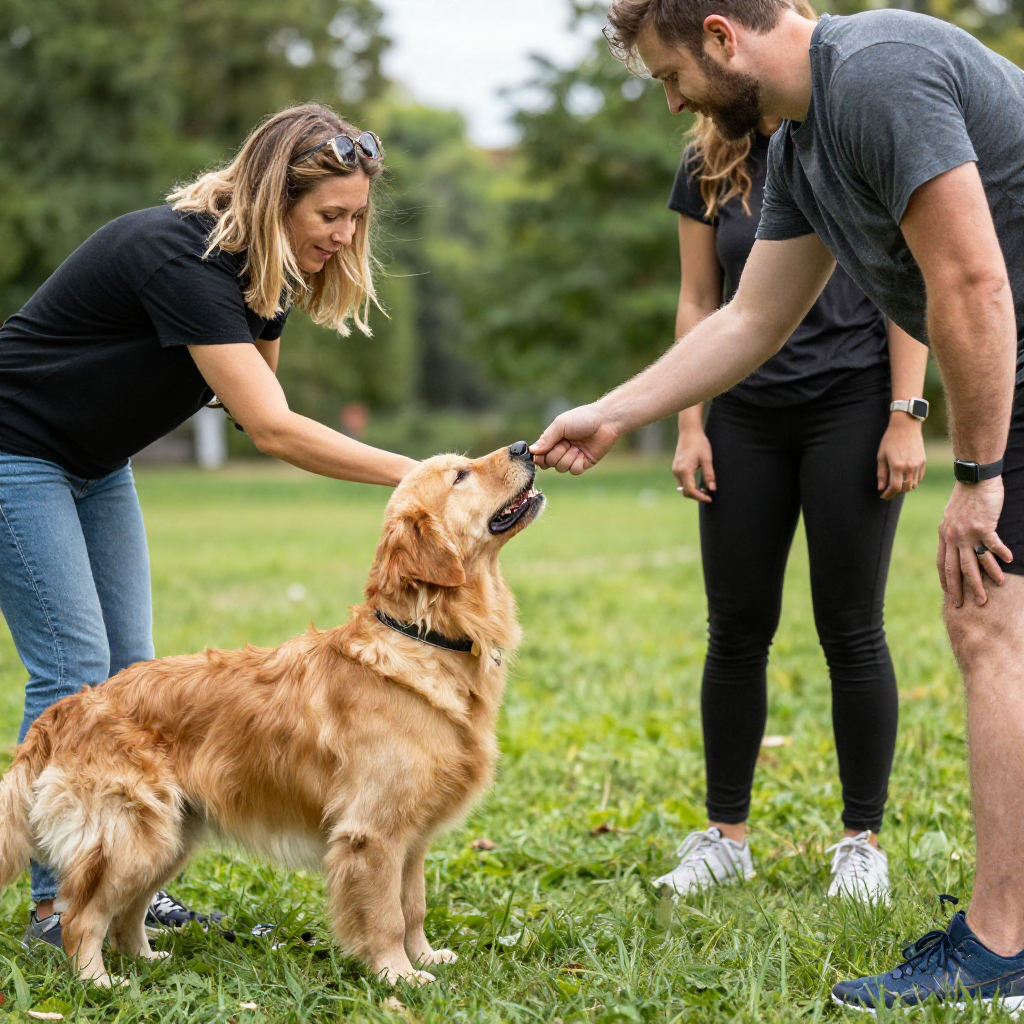
Dogs are valued members of many households, offering companionship, loyalty, and emotional support. However, a strong relationship between dogs and their families requires more than affection alone. Obedience training for companion dogs helps create clear communication, reliable manners, and positive daily interactions between pets and their owners.
Effective training is not about forcing a dog to follow commands. It is about teaching dogs how to understand expectations while helping owners recognize canine behavior, motivation, and communication signals. With patient guidance, consistent routines, and reward-based methods, dogs can develop skills that make life together more enjoyable.
Professional dog training programs, such as those provided by Rob’s Dog Training, focus on practical obedience skills that support real-world situations. From polite greetings to reliable recall, these lessons help companion dogs become confident and well-mannered members of the family.
Why Obedience Training Matters for Companion Dogs
Companion dogs experience many situations throughout their lives, including meeting new people, visiting public spaces, encountering other animals, and adjusting to household routines. Without proper guidance, some dogs may develop habits that create challenges for their owners.
Obedience training provides dogs with structure and helps them understand what behaviors are expected. It also gives owners the tools needed to communicate clearly and respond appropriately to their dog’s needs.
Some key benefits of obedience training include:
- Improved communication between dogs and owners
- Better impulse control in exciting situations
- Increased confidence around new experiences
- Safer interactions with people and other animals
- Stronger trust between pets and their families
A trained dog is not simply one that knows commands. A well-trained companion understands how to make appropriate choices in different environments.
The Foundation of Successful Dog Obedience Training
Every dog learns differently. Age, breed characteristics, past experiences, and personality all influence how a dog responds during training. A successful obedience program considers these individual differences rather than relying on a one-size-fits-all approach.
Positive Reinforcement Encourages Learning
Reward-based training focuses on recognizing and rewarding desired behaviors. When dogs receive encouragement for making good choices, they are more likely to repeat those behaviors.
Rewards can include:
- Treats
- Praise
- Playtime
- Toys
- Access to enjoyable activities
Positive reinforcement helps dogs associate training with successful experiences. It also supports a healthy relationship where dogs feel motivated to participate.
Consistency Helps Dogs Understand Expectations
Dogs learn through repetition and clear patterns. If a behavior is allowed sometimes but discouraged at other times, dogs may struggle to understand what their owners expect.
Consistency includes:
- Using the same verbal cues
- Setting clear household rules
- Practicing skills regularly
- Rewarding appropriate behavior immediately
Short, frequent training sessions are often more effective than occasional long sessions. Regular practice helps dogs remember lessons and apply them in everyday situations.
Essential Skills Taught Through Obedience Training for Companion Dogs
A strong obedience program focuses on skills that improve safety, communication, and daily convenience. These foundational behaviors help dogs navigate different environments with confidence.
Sit, Stay, and Down Commands
Basic commands provide the groundwork for more advanced training. Teaching a dog to sit, stay, and lie down helps owners manage situations such as visitors arriving, preparing meals, or crossing busy areas.
These commands encourage dogs to pause, listen, and respond rather than reacting immediately to distractions.
Reliable Recall Training
A dependable recall is one of the most valuable skills a dog can learn. When a dog responds consistently to a recall cue, owners have greater control during outdoor activities and unfamiliar situations.
Recall training requires patience because dogs naturally become interested in scents, sounds, and movement around them. Building this skill gradually helps dogs learn that returning to their owner is rewarding.
Loose-Leash Walking
Walking should be an enjoyable experience for both dogs and owners. Dogs that pull constantly can make walks stressful and uncomfortable.
Loose-leash walking teaches dogs to stay attentive while moving calmly beside their handlers. This skill requires practice, clear communication, and reinforcement of appropriate walking behavior.
Impulse Control
Impulse control is an important part of companion dog training. Dogs naturally become excited by food, toys, visitors, and other animals. Training helps them learn how to pause and respond calmly.
Examples of impulse control exercises include:
- Waiting before eating
- Remaining calm when guests arrive
- Ignoring distractions during walks
- Sitting before receiving attention
These skills help dogs make better decisions in everyday situations.
How Socialization Supports Obedience Training
Training and socialization work together to help dogs become comfortable in different environments. Socialization involves exposing dogs to various people, places, sounds, and experiences in a controlled and positive way.
A properly socialized dog is more likely to approach unfamiliar situations with confidence. This can reduce fear-based reactions and help dogs respond more appropriately when faced with new experiences.
Socialization should always be introduced gradually. Overwhelming a dog with too many unfamiliar situations at once may create stress instead of confidence. Professional guidance can help owners create positive learning opportunities based on their dog’s comfort level.
Common Mistakes Owners Make During Dog Training
Many owners have good intentions but may accidentally create confusion during training. Understanding common mistakes can help families build more effective training habits.
Expecting Immediate Results
Dogs need time to learn new behaviors. Expecting perfect responses after only a few sessions can lead to frustration for both owners and pets.
Training is a gradual process that requires repetition, patience, and realistic expectations.
Using Inconsistent Commands
Changing commands frequently can make it difficult for dogs to understand what they should do. For example, using different words for the same behavior may slow learning.
Choosing clear cues and using them consistently helps dogs recognize what is being asked.
Focusing Only on Problems
Some owners seek training only when unwanted behaviors appear. While addressing challenges is important, obedience training also helps prevent future issues by teaching appropriate habits early.
Building good behaviors before problems develop creates a stronger foundation for long-term success.
Choosing Professional Obedience Training Support
Professional trainers provide valuable experience, structured programs, and personalized guidance. They can help identify why certain behaviors occur and recommend training approaches suited to each dog.
When selecting a dog trainer, owners should consider:
- Training methods and philosophy
- Experience working with companion dogs
- Ability to explain techniques clearly
- Focus on safety and communication
- Support for owners beyond training sessions
A quality trainer works with both dogs and owners. Teaching owners how to maintain training at home is an important part of creating lasting results.
Creating Long-Term Success After Training Sessions
Obedience training does not end when a class or program finishes. Continued practice helps dogs maintain their skills and adapt to new situations throughout life.
Owners can support continued progress by:
- Practicing commands during daily routines
- Providing mental stimulation
- Maintaining consistent expectations
- Rewarding positive choices
- Continuing social experiences
Dogs thrive when they understand what is expected and receive regular opportunities to practice their skills.
Building a Stronger Relationship Through Training
Obedience training is about more than teaching commands. It creates a shared language between dogs and their owners. When dogs understand expectations and owners understand canine behavior, everyday interactions become easier and more rewarding.
Obedience training for companion dogs supports safer outings, calmer behavior, and stronger connections between pets and families. Through patience, consistency, and professional guidance, dogs can develop the confidence and manners needed to enjoy life alongside their human companions.
For families looking to improve communication with their dogs, working with experienced trainers like Rob’s Dog Training can provide the structure and support needed to build lasting obedience skills.
